
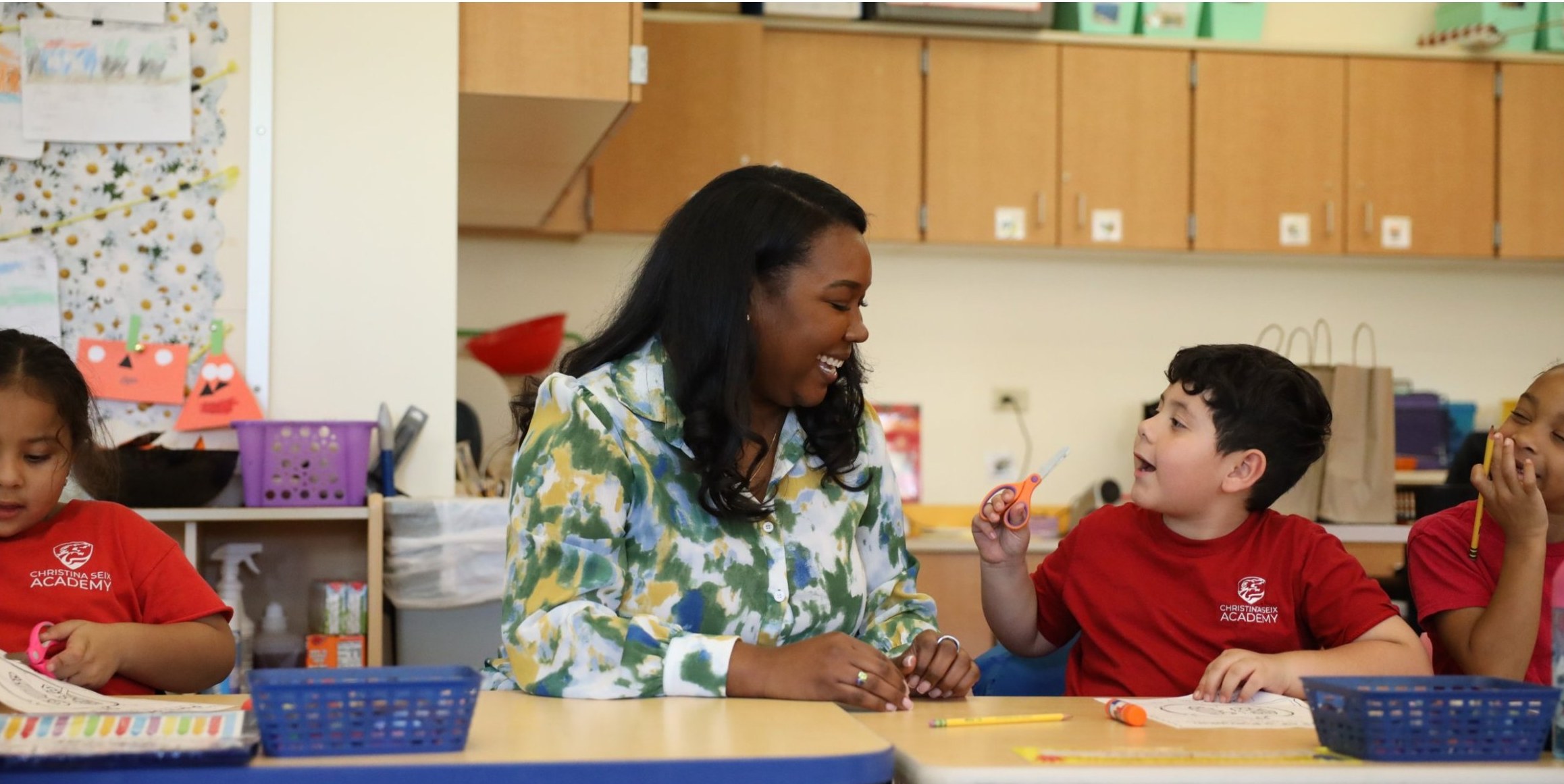
At Christina Seix Academy, academic data is not treated as the final verdict on a child. It is a starting point for questions such as: What is working? Where is a student growing? What support might help next? And what can teachers learn from patterns across a classroom or grade?
Interim Head of School Ivy Green explains, “Christina Seix Academy chooses to collect academic data because that information helps the school decide what to teach more of, what to teach less of, whether curriculum and instruction are serving students well, and if and when to intervene.”
Green, who served as Senior Director of Academic Programs until August, when she accepted the top leadership role on an interim basis, explained, “Assessments establish whether children are on level, above level or below level. But measurement should not stop there. The essential question is: Now that we know, what do we do?”
From baseline to learning plan
“CSA establishes a baseline at the start of each school year and uses it to create a learning plan,” she said. “With each benchmark assessment, we look for growth and determine whether interventions and instruction are working. If they are not, teachers and academic leaders discuss what modifications to make.”
Kiera Couch, interim Lower School Dean, and Jerry Clyde, interim Middle School Dean, are responsible for reading (Couch) and math (Clyde) assessments. They recently talked about how the academy uses benchmark assessments to strengthen instruction and respond to individual students. Their work draws on their earlier content leadership roles, with Couch bringing a humanities and literacy perspective and Clyde bringing a mathematics and science perspective to their roles.
Open conversations about the data
“We’ve been very open with teachers about the data,” Couch said. After results are available, school leaders meet with teachers to interpret them, consider student profiles and examine differences among grade levels. A strong-performing grade can prompt a discussion about which practices should be repeated. A student who is struggling may need tutoring, speech services or another targeted support. Consistent data monitoring allows the school to intervene early and provide necessary interventions before a student’s performance slips well below their peers.
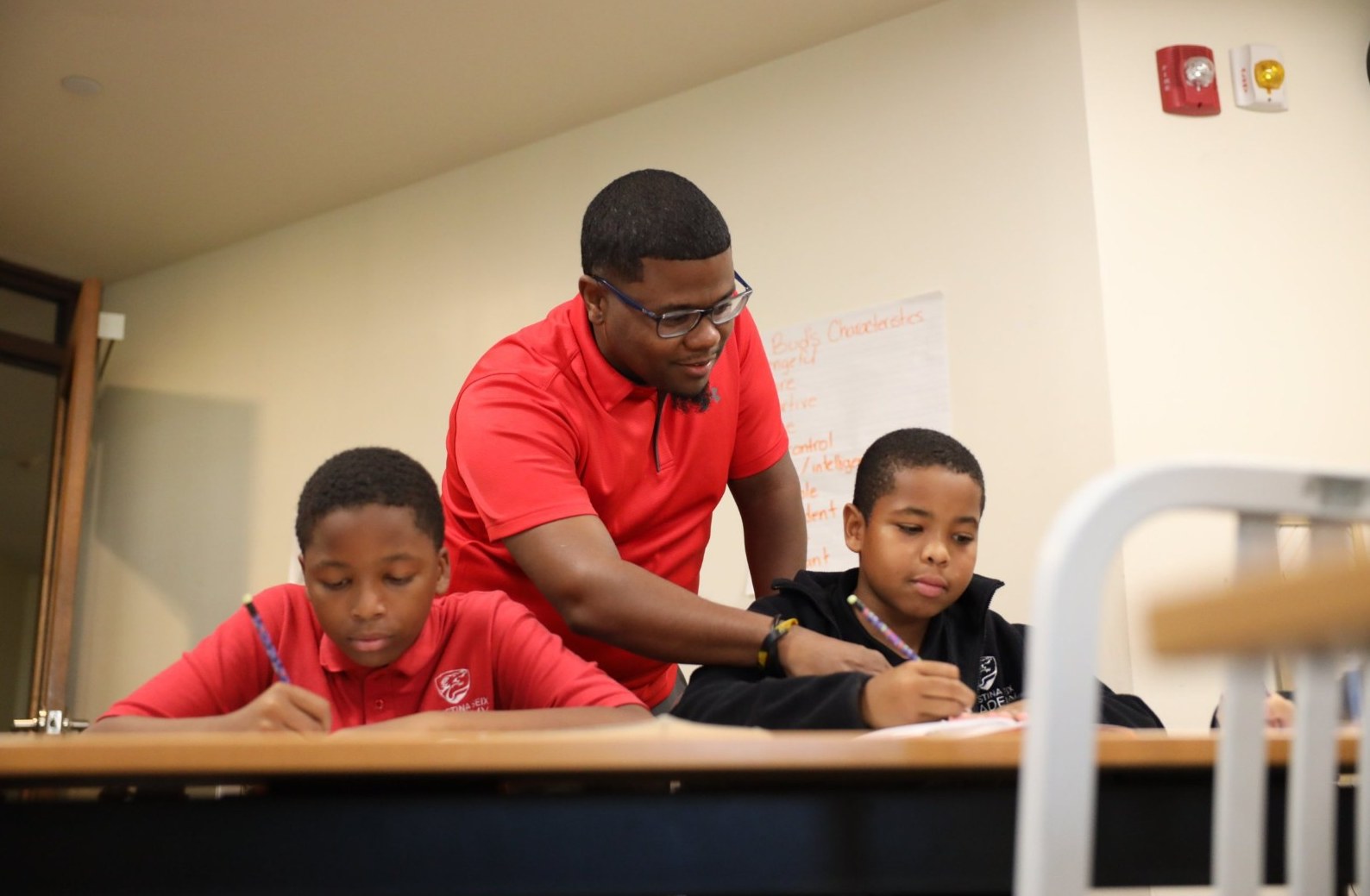
The same information can help CSA evaluate its curriculum. Clyde said testing also helps teachers identify and strengthen gaps.
As the current school year started in August of 2026, the academy moved its mathematics testing from Pearson’s discontinued G-MADE assessment to NWEA MAP (Northwest Evaluation Association Measures of Academic Progress). NWEA MAP is a nationally normed assessment, one where student performance can be compared against a representative sample of peers in the same grade or age group, chosen for its focus on achievement and growth and its ability to place performance in a national context.
Seeing growth over time
Because CSA can follow progress over multiple years, called longitudinal information, educators can see different patterns. Some students may need sustained, intensive support. Others may not yet be at grade level but are demonstrating steady growth. Those distinctions help teachers and leaders decide what to do next rather than rely on a single score.
Couch also pointed to the importance of curriculum consistency and teacher coaching. In literacy, foundational skills such as phonemic awareness and phonics are paired with reading, classroom discussion and deeper conversation about written materials. In mathematics, CSA has worked towards a more consistent curriculum from kindergarten to 8th grade so skills build deliberately from year to year.

The whole child, not just the score
But the academy’s approach extends beyond academics. “We don’t just think about the academics; we think about the whole child as a person,” Clyde said. When performance dips, staff look at the broader picture and may coordinate with CSA’s health and wellness center or other supports. The aim, he explained, is to be “more proactive than reactive.”
Relationships are central to that work. Couch described students feeling comfortable approaching a trusted adult when they do not understand a concept. “I am still a part of this child’s journey,” she said in sharing her support of a former student who needed help staying on track. She said that continuing connection can help students ask for assistance, advocate for themselves and remain engaged. Continuing to connect also gives educators and students a shared language for discussing progress, setting priorities and deciding when a different response is warranted.
Assessment results do not tell the whole story of a child, and CSA’s leaders are clear about that. Used thoughtfully, however, analytics can illuminate both achievement and need. At CSA, the numbers are most useful when they lead back to people: teachers reviewing their practice, students receiving the right support and a community working together around each child.